Description
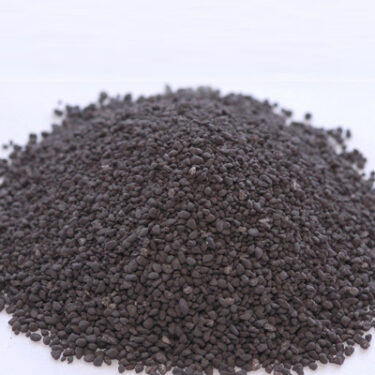
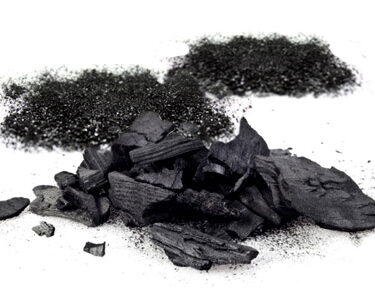
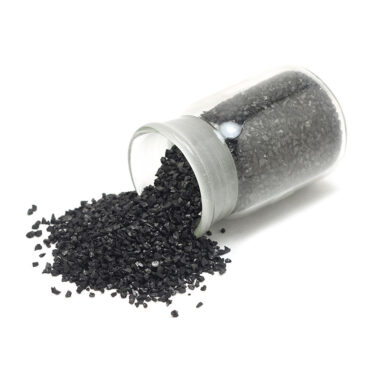
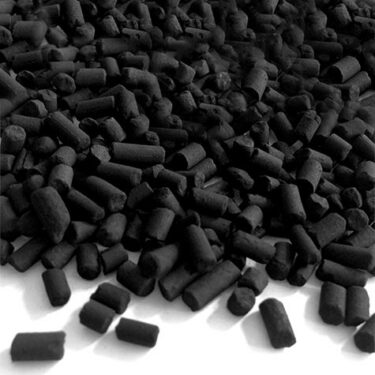
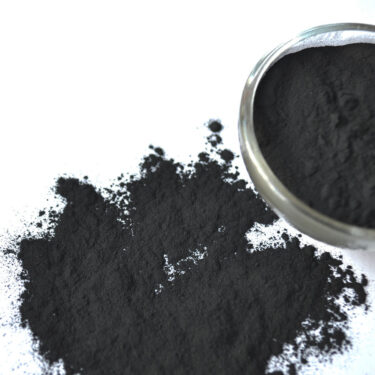
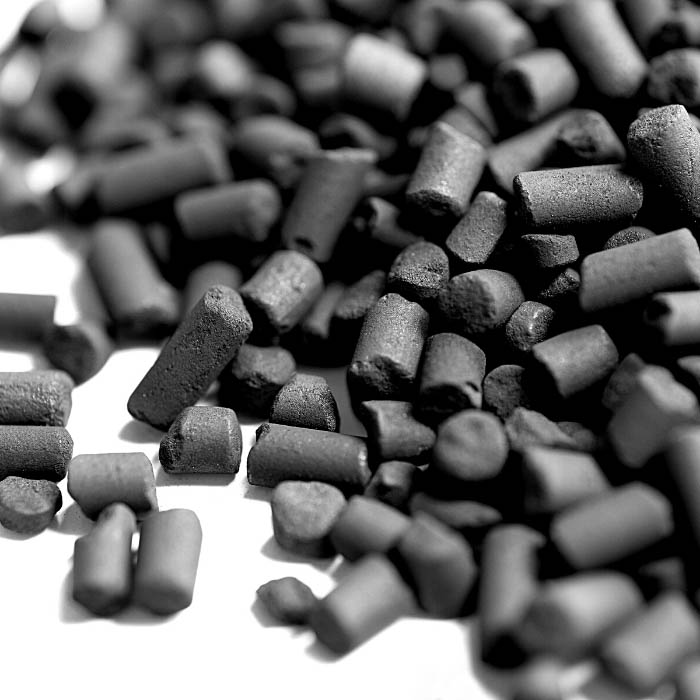
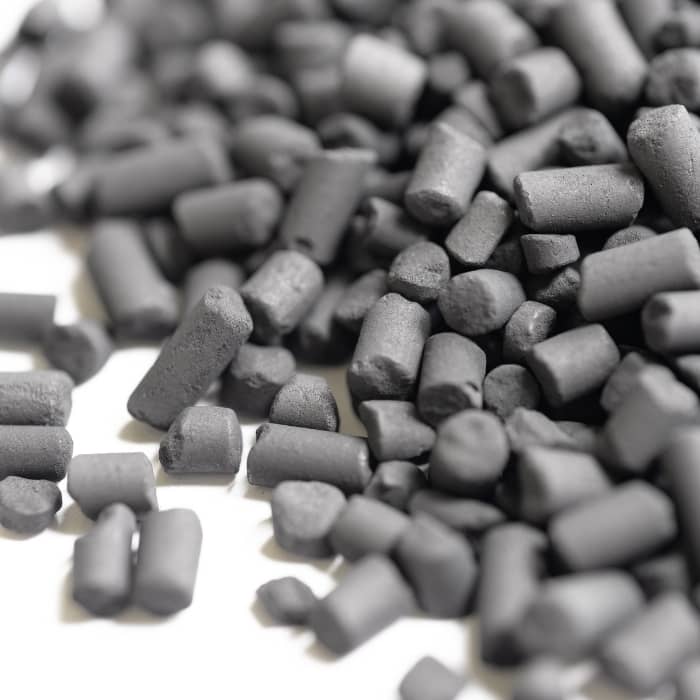
Granular bituminous coal activated carbon
Coal activated carbon GAMA B is an activated carbon used for the treatment of surface and drinking water. Bituminous coal activated carbon removes impurities from water and can be used in water treatment plants to remove organic pollutants, some inorganic compounds and pesticides that appear in water.
Gama B delivers measurable results in treatment plants. Suitable for treating drinking water intended for human consumption, according to NSF/ANSI 61. Its pore distribution improves the adsorption of organic compounds of different sizes. In operation, it helps to reduce color and odor. It also helps to lower the consumption of oxidants by reducing organic precursors.
Bituminous coal activated carbon applications:
- Tertiary wastewater treatment.
- Drinking water treatment.
- Eliminate chlorine from water.
- Treatment of surface water from wells, rivers, wells and lakes.
- Retention of organic contaminants in liquid products.
- Elimination of perfluoroalkyl and polyfluoroalkyl substances (PFAS)
Tertiary Wastewater Treatment
The use of bituminous activated carbon in tertiary treatment is essential to meet the most stringent discharge or reuse standards. It acts as a final polishing barrier that removes residual Chemical Oxygen Demand (COD) and persistent organic compounds that biological processes failed to degrade. Its macroporous and mesoporous structure is ideal for adsorbing complex molecules, ensuring a high quality effluent for industrial irrigation or aquifer recharge.
Drinking water treatment
In potabilization, this carbon is the standard solution to improve the organoleptic properties of water. Its high adsorption capacity effectively removes compounds responsible for bad odor and taste, such as geosmin and MIB (2-methylisoborneol). Being a material of mineral origin with high hardness, it offers excellent resistance to wear and tear during backwashing, ensuring a safe and pleasant water supply for human consumption during long periods of operation.
Removing chlorine from water (dechlorination)
Unlike physical adsorption of organics, chlorine removal by activated carbon works through a chemical reduction reaction. The carbon acts as a catalyst that converts free chlorine into harmless chloride ions. Bituminous carbon is especially valued in this application because of its fast reaction kinetics, thus protecting reverse osmosis membranes and other sensitive equipment from oxidative degradation caused by chlorine.
Surface and groundwater treatment
Water sources such as wells, rivers and lakes are often exposed to seasonal contaminants such as pesticides, herbicides and natural organic matter (NOM). Bituminous coal activated carbon excels in its versatility to treat these variations, effectively removing trihalomethanes (THMs) precursors and other disinfection by-products. Its use ensures that water captured from natural sources meets chemical safety limits, regardless of the source’s turbidity or organic load.
Retention of organic contaminants in liquid products
Beyond water treatment, this carbon is used in industrial processes for the purification of liquid products, such as chemical or food grade solutions. It is highly efficient in removing traces of dissolved oils, fats and solvents that can affect the purity or color of the final product. Its balanced pore distribution allows it to trap a wide range of molecular weights, making it an indispensable purification agent in the process industry.
Elimination of PFAS substances
The removal of perfluoroalkylated and polyfluoroalkylated substances (PFAS) represents one of today’s greatest environmental challenges due to their persistence. Bituminous activated carbon has proven to be one of the most effective technologies (BAT – Best Available Technology) to capture these “eternal chemicals”. Thanks to its chemical affinity and porous structure, it is able to reduce PFOA and PFOS concentrations to parts per trillion (ppt) levels, protecting public health and the environment from these emerging contaminants.
NSF Certification (food and beverage safety)
Its NSF/ANSI 61 certification guarantees a material free of extractable contaminants, ensuring total safety in food and beverage production. It is the purity guarantee necessary to comply with the most demanding public health standards.
Versatility
Its balanced porous structure offers superior versatility, allowing optimal performance in both surface water purification and tertiary wastewater treatment. It is the ideal solution for simultaneously removing a wide variety of organic contaminants of different molecular weights.
Learn more about these applications
Discover technical guides and specialized articles in our Learning Center, the ideal resource to learn more about the strategic use and optimization of activated carbon in your projects.
Gama B is manufactured from bituminous mineral carbon, carefully selected to achieve the formation of a wide range of pores (micropores, mesopores and macropores) during its activation, whose diameter is mostly between 0.1 to 100 nanometers. The size of its pores allows it to accommodate the most diverse organic contaminants dissolved in the liquid to be treated.
This characteristic makes Gama B the ideal carbon for tertiary wastewater treatment, since it can adsorb contaminants of large molecular size such as dyes, as well as small ones such as odors. However, Gama B can also be used for water purification, purification of other liquid products and many other specific processes.
Activated carbon for water treatment.
It has a fine particle size and high adsorption capacity that makes it well suited for the removal of color, odor, turbidity and other impurities present in water. The unique physical and chemical characteristics of bituminous coal activated carbon have made it virtually the only choice for surface water treatment applications.