Description
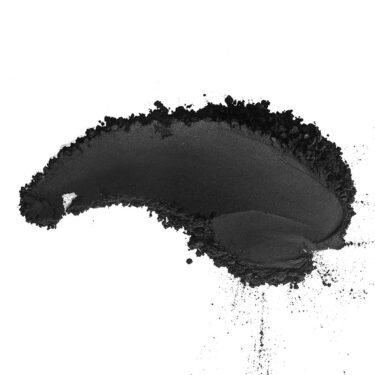
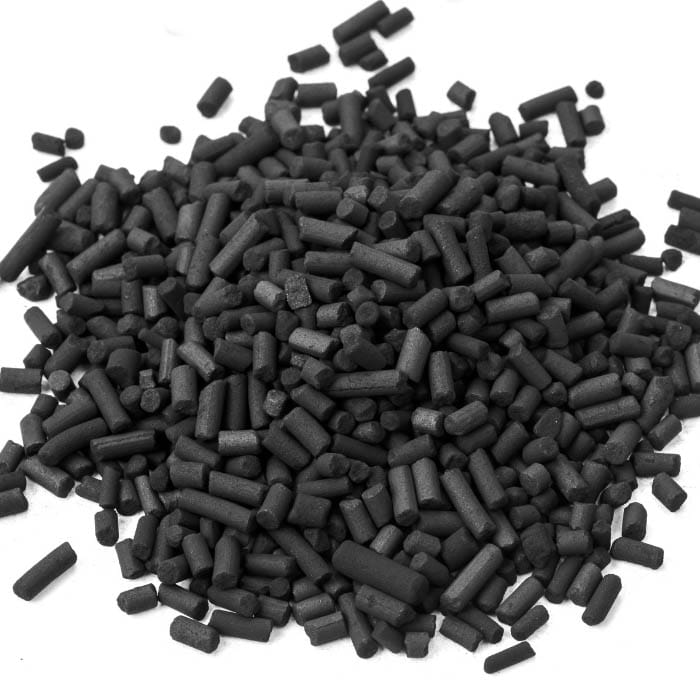
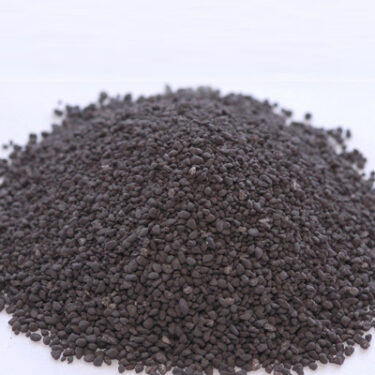
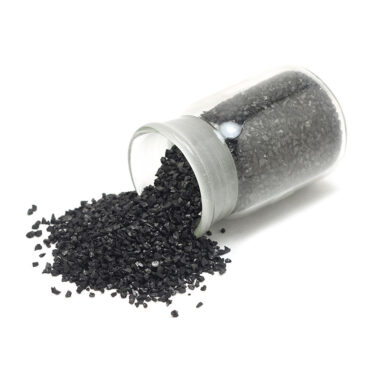
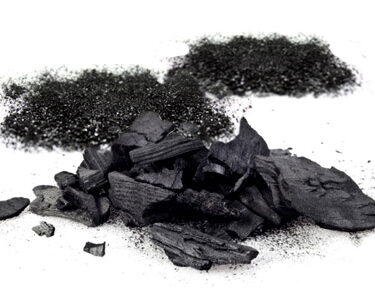
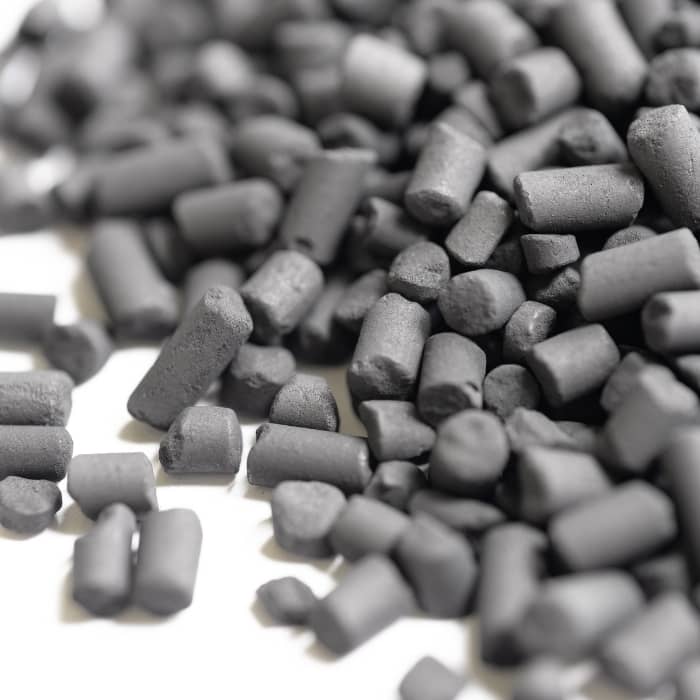
Lignite coal mineral activated carbon (granular)
Applications:
- Tertiary wastewater treatment
- Discoloration of liquids
- Retention of organic contaminants
Gama L is manufactured from lignite, also called brown coal. It is a carbon with lower hardness than bituminous activated carbon, which generates larger pores and is therefore suitable for larger molecules such as colored ones.
It has a wide range of pores – from 2 to 50 nanometers – with the difference that the percentage of pores close to 50 nm is higher.
This property allows it to be used to purify fluids containing strong color-causing compounds of various molecular sizes.
Gama L has a lower density than bituminous and coconut shell coals. With this feature, backwashing requires less water flow to expand the carbon bed. Therefore, the energy consumption used in this operation is lower.
Lignite-based activated carbon 8×30 is a general-purpose granular carbon grade used in a variety of applications, such as purification of fine chemicals and food.
Mechanism of Action
Lignite-based activated carbon is particularly effective at adsorbing and removing large molecules responsible for color in various solutions due to its porous structure, which contains a higher proportion of macropores. The high specific surface area and adsorption capacity of this type of carbon allow it to capture a wide range of coloring compounds.
Mineral lignite-based activated carbon is used in various industries to remove color from liquids and products, thereby improving their quality and appearance. Its applications range from the treatment of drinking water and industrial wastewater to the production of food, beverages, pharmaceuticals, and cosmetics. The effectiveness of lignite-based activated carbon in adsorbing color-causing compounds makes it an essential tool for ensuring high-quality products and complying with environmental and health regulations.
Industries where lignite activated carbon for color reduction
1. Water treatment industry
- Drinking water: Used in drinking water treatment plants to remove color caused by natural organic matter (MON) and humic compounds. The reduction of color improves the aesthetic quality of the water and reduces the formation of disinfection by-products.
- Industrial Wastewater: Used to treat industrial effluents containing dyes and other colored compounds prior to discharge or reuse.
2. Food and beverage industry
- Sugar and sweeteners: Used in the process of decolorizing liquid sugar and syrups to obtain a clearer and more visually appealing final product.
- Beverages: Applied in the clarification and discoloration of beverages such as juices, syrups, and alcoholic beverages to improve their appearance and flavor.
- Edible oils: Used in the refining of edible oils to eliminate impurities and coloring compounds that affect the quality of the final product.
3. Textile Industry
- Effluent treatment: Used to treat colored effluents from textile dyeing and finishing processes. The reduction of color in effluents helps to comply with environmental regulations and facilitates water recycling.