Description
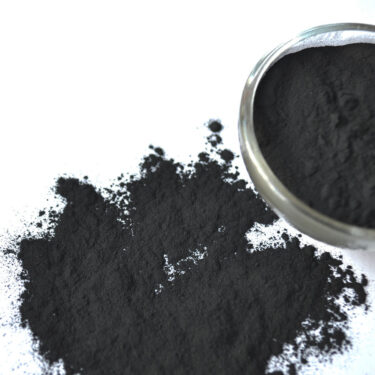
Megapol 28-4 – Powdered activated carbon for decolorization or clarification of wine, sugar and other industrial liquids.
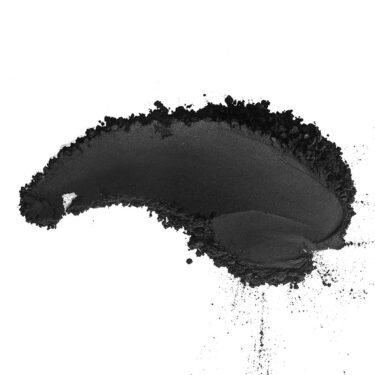
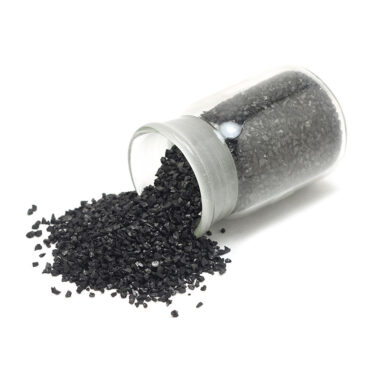
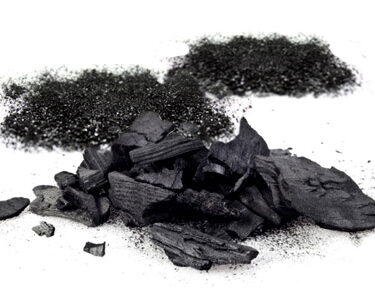
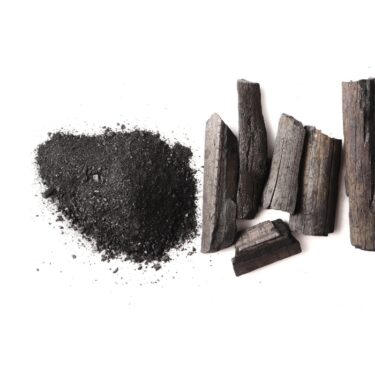
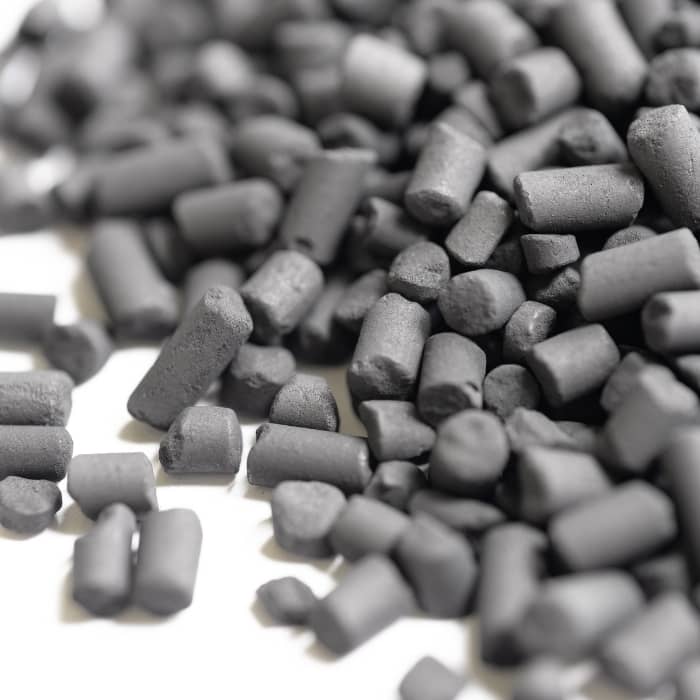
Megapol 28-4 is a pulverized vegetable activated carbon of wood origin, subjected to chemical activation to promote the formation of meso- and macropores. The result is one of the carbons with the highest degree of activation on the market: it combines a surface comparable to that of eminently microporous materials with an optimum structure for adsorbing pigments, proteins and dissolved fats that generate color in food liquids. Its fineness – more than 80 % passes 325 mesh – provides very fast kinetics, ideal for in-line or short residence time processes.
Main applications in the food industry
-
White and rosé wines
Removes oxidized polyphenols, residual anthocyanins and smoke compounds, refining the yellow-green hue and delaying premature oxidation. -
Sugar mills
With a molasses decolorizing capacity of ≥ 110, it reduces the ICUMSA color in juices and syrups, facilitating the production of class 45 white sugar and reducing the consumption of bleaching agents. -
Clear beverages and syrups
Attenuates amber tones and residual odors in soft drinks, concentrates and energy drinks, improving transparency without modifying the sensory profile. -
Edible oils (soybean, canola, palm, olive)
Adsorbs carotenoids, chlorophylls and traces of oxidized fatty acids, leaving oils of superior brightness and greater oxidative stability. - Industrial oils and biofuels (biodiesel, hydrocarbons, lubricants)
Adsorbs carotenoids, chlorophylls and traces of oxidized fatty acids, leaving oils of superior brightness and greater oxidative stability.
Operational advantages of powdered activated carbon for decolorization or clarification.
-
Accelerated kinetics: sub-45 µm particles reduce contact time to 5-15 min.
-
Easy separation: forms compact cakes in filter presses or centrifuges, minimizing losses.
-
Wide process window: stable from 10 °C to 90 °C and pH 2-11, suitable for cold clarification of wine or hot decolorization of syrups.
-
Food grade reagents: meets purity requirements for food and beverage industries, facilitating BRC, FSSC 22000 or IFS audits.
Indicative dosage for food industry
Fluid |
Initial dose |
|---|---|
Wines |
50 – 150 g hL-¹ |
Juices / sugar syrups |
150 – 300 ppm |
Beverages and syrups |
80 – 200 ppm |
Edible oils |
0.1 – 0.3 % w/w |
Indicative dosage for oil and hydrocarbon clarification industry
Application |
Typical dosage (carbon) |
Temperature |
Contact time |
Biodiesel (decolorization) |
0.5 – 2.0% w/w |
60 – 80 °C |
15 – 45 min |
Refined vegetable oils |
0.1 – 1.5% w/w |
70 – 110 °C |
20 – 30 min |
Mineral oils / lubricants |
1.0 – 3.0% w/w |
Amb. – 60 °C |
30 – 60 min |
Pyrolysis fuels |
2.0 – 7.0% w/w |
40 – 70 °C |
30 – 90 min |
Gasoline / naphtha (clarification) |
0.05 – 1.0% w/w |
Amb. – 40 °C |
10 – 30 min |
Diesel / gasoil (clarification) |
0.5 – 1.5% w/w |
40 – 60 °C |
20 – 45 min |
Natural gas condensates |
0.2 – 0.8% w/w |
Amb. – 30 °C |
10 – 20 min |
Kerosene waxes |
0.5 – 2.0% w/w |
80 – 110 °C (molten) |
20 – 60 min |
Always perform pilot tests to adjust the dosage to the starting color and stated objectives. The above data are from our quality control laboratory; performance may vary according to individual plant conditions.
With Megapol 28-4, Carbotecnia offers the food industry an efficient, safe and flexible solution to obtain brighter, more stable and competitive liquids.
– How activated carbon works in the decolorization of cane sugar in sugar mills
The decolorization of cane sugar with powdered activated carbon is a crucial process in the sugar industry, not only for aesthetic reasons to obtain white sugar, but mainly to stabilize the product. Raw sugar contains natural pigments, phenolic compounds and melanoidins. Melanoidins, for example, are formed by the Maillard reaction during the heating of cane or beet juice, resulting from the reaction between proteins and reducing sugars. Other color-giving compounds include polyphenols, quinones, chlorophylls, carotenoids and natural nitrogenous pigments. By removing these molecules, proteins and other substances that make the sugar nutritious and fermentable for bacteria and yeasts are also removed. In this way, almost pure sucrose is obtained, which is no longer fermentable and therefore does not spoil.
Activated carbon is very effective for this process because it attracts and retains non-polar organic molecules. The organic molecules responsible for the color usually have conjugated double bonds (as in benzene) and chromophore groups such as the aso, nitro (NO2) and carbonyl (C O bond) groups, which generate color. In addition, auxochromes such as hydroxyl or amino do not generate color, but modify or intensify the color generated by other groups. These color molecules in molasses are usually small to medium in size, which allows them to be retained in the micropores and mesopores of the activated carbon. Powdered activated carbon is preferred for this application because it allows full utilization of the material, facilitates accurate laboratory-determined dosing, and adsorption is rapid, generally being completed in about an hour of agitation due to its fine pulverization (200/325 mesh). After adsorption, the carbon must be filtered, usually with a filter press, and often a filter aid (such as diatomaceous earth or perlite) is used to prevent the carbon from caking and clogging the filter cloth.
– How does the CAP white and rosé wine discoloration application work?
The decolorization of white and rosé wines with powdered activated carbon is a crucial application in the wine industry, mainly for reasons of consumer perception and to achieve a desired color standard. Although they are called “white wines”, they often have a yellowish hue, and if a vintage results in a darker color than usual, it is necessary to reduce it so that the final product meets the winery’s standard. Color in plant-derived liquids, such as wine, is due to a complex series of molecules, not a single one. These can include natural pigments such as polyphenols, quinones, chlorophylls, carotenoids, melanoidins (formed by the Maillard reaction during heating), and natural nitrogen pigments. By eliminating these color-contributing molecules, the expected visual consistency is achieved, especially in lower cost wines where the public does not usually accept significant color variations between vintages.
Activated carbon is very effective in this process due to its ability to attract and retain non-polar organic molecules. The molecules responsible for color in wine are usually organic and contain structures such as conjugated double bonds, chromophore groups (such as azo, nitro and carbonyl groups) and auxochromes (such as hydroxyl or amino) that modify or intensify the color. These molecules are adsorbed in the micropores and mesopores of the activated carbon. For wine decolorization, powdered activated carbon (PAC) from pine wood, activated with phosphoric acid, is recommended, since this chemical activation process creates larger pores (macropores) that are ideal for retaining color molecules that can be of medium size or even macromolecules such as tannins, which are frequent in products of vegetable origin. The application of powdered charcoal offers the advantage of a total utilization of the material and allows an exact dosage determined in the laboratory. After adsorption, which is generally completed in about an hour of agitation, the charcoal must be filtered, commonly using a filter press and a filter aid (such as diatomaceous earth or perlite) to prevent the charcoal from caking and clogging the filter cloth. It is important to consider that while charcoal removes color, it can also modify the notes of the wine.
– Discoloration of industrial oils and biofuels
Not all oils requiring decolorization make it to a table. In processes of re-refining used mineral oils, biodiesel production (FAME) and purification of process oils, the presence of dark pigments, oxidation products, degraded free fatty acids and traces of residual catalysts compromises both the quality of the final product and its storage stability.
Megapol 28-4 acts effectively in these non-food fluids thanks to its developed mesoporosity, which favors the adsorption of higher molecular weight molecules characteristic of these oils. In post-transesterification biodiesel, it reduces APHA/Gardner color and adsorbs methanol residues, free glycerin and traces of alkaline catalyst that alter the oxidative stability of the fuel. In re-refined industrial and process oils, it complements the distillation and filtration stages with a color and odor reduction that improves product acceptance in secondary markets.
Always perform pilot tests. Performance will vary with contaminant load, process temperature and oil viscosity.