Description
BioCar, charcoal for agricultural use (Biochar)
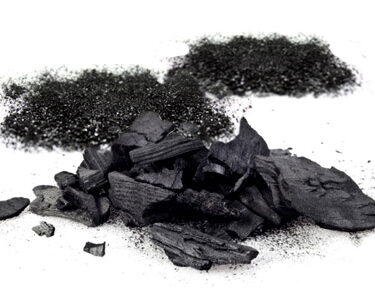
It is a charcoal made from coconut shells selected to be used as a soil improver also known as Biochar. It works on all kinds of crops, vegetables, flowers, grains and grass.
It does not contain salts that can damage the osmotic balance of the root, nor heavy metals that cause phytotoxicity. It allows to increase the carbon content of agricultural land, which improves the physico-chemical properties of the soil. In addition, it is an ideal medium for the colonization of beneficial microorganisms, such as nitrogen and phosphorus fixing bacteria, as well as vesicular arbuscular fungi. Recommended for large agricultural extensions.
Biochar as a soil amendment.
Improves water retention
The high porosity of BioChar improves soil structure, increasing its capacity to retain water. This is particularly beneficial in sandy or degraded soils, where water retention is often a problem.
Restores soil structure
BioChar can improve the physical structure of the soil, increasing its porosity and improving aeration. Improving soil structure promotes root growth and plant resistance to stressful conditions such as drought or flooding.
Neutralizes soil acidity
Through the charges present on its surface area, BioChar neutralizes hydrogen ions in the soil, which translates into an increase in pH value by reducing acidity. Acidic soil affects plants by causing nutritional deficiencies and reduced microbial activity.
Increases microbial activity
Biochar provides a favorable habitat for microorganisms. Its carbonaceous structure provides an extensive surface area for microbial colonization and nutrient retention, which improves biological activity and soil fertility.
Increases nutrient availability
The cation exchange capacity and porous structure of biochar allow it to retain nutrients such as potassium (K+), magnesium (Mg2+), and calcium (Ca2+). By retaining them close to the roots, it prevents them from being washed or leached from the soil with water and distributes them slowly to crops.
BioCar (Biochar) provides the following benefits:
- Adsorbs organic and inorganic nutrients, releasing them slowly to the root system.
- Efficient fertilizer consumption by avoiding leaching losses.
- Promotes the settlement of beneficial microorganisms around the rhizosphere.
- Increases cation exchange capacity.
- It has a marked tendency to stabilize pH.
- Improves soil structure and water retention capacity.
- Promotes the formation of stable organic compounds, such as glomalin.
Soil improver
Biocar (Biochar or Biocharcoal) is a well-known substrate for improving cultivated soils. This is due to its highly porous structure. It has been found that this structure is very effective at retaining both water-soluble nutrients and moisture (water). It also provides an ideal environment for many microorganisms that are beneficial for rich soils and healthier plants.
It has been observed that biochar can reduce the presence of E. coli in sandy soils. The effectiveness of this reduction depends on factors such as the dose of biochar, the raw material used in its production, the pyrolysis temperature, the moisture and texture of the soil, and the surface properties of the bacteria.
Biochar can improve water quality, reduce greenhouse gas emissions, reduce the leaching of both natural and added nutrients, reduce soil acidity, and decrease the frequency of irrigation or watering, as well as fertilization.
In very special cases, biochar has also been shown to induce the plant system’s response to fungal diseases and improve the response of plants to other diseases caused by soil pathogens.
Its properties for other important applications still need to be investigated. Its effects may also depend on regional conditions, including soil type, conditions (poor or healthy), temperature, and humidity. Adding a small amount of biochar to the soil reduces nitrogen oxide emissions by 20% to 80%. It also eliminates methane emissions, which is a more potent greenhouse gas than CO2.
Research indicates a positive effect of biochar on plant production in infertile, nutrient-poor soils. Biochar can be designed with specific properties to meet different soil requirements. Biochar reduces the loss of important nutrients, helps plants absorb nutrients more efficiently, and helps improve nutrient availability in the soil. With 10% biochar, contamination levels in plants were reduced by 80%, while total levels of chlordane and DDX in plants were reduced by 68% and 79%, respectively.
On the other hand, due to its extremely high absorption capacity, biochar can reduce the effectiveness of soil fungicides in controlling weeds and diseases. In large areas, this latter aspect can be particularly problematic. Further studies are needed on the long-term effects of biochar supplementation under these conditions.
Keeps soil moist, retains water
Biochar is a highly valuable soil material in many places due to its ability to attract and retain water. This is possible due to its porous structure and large surface area. Nutrients, phosphorus, and agrochemicals are retained for the benefit of the plant. All of this helps keep plants healthy and reduces fertilizer runoff from soil and groundwater.