Description
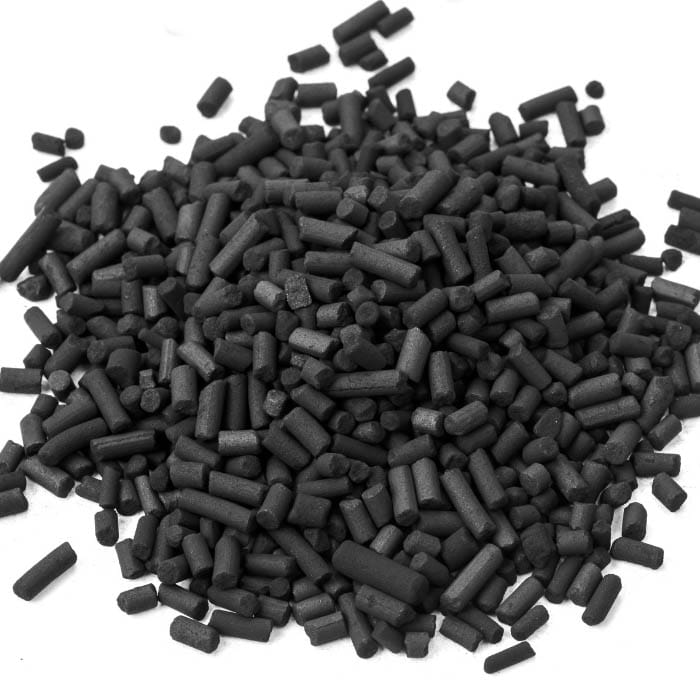
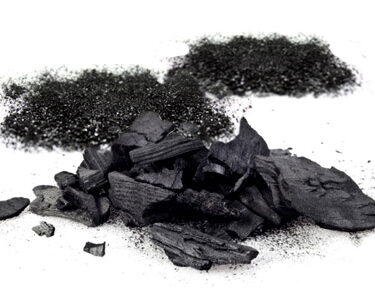
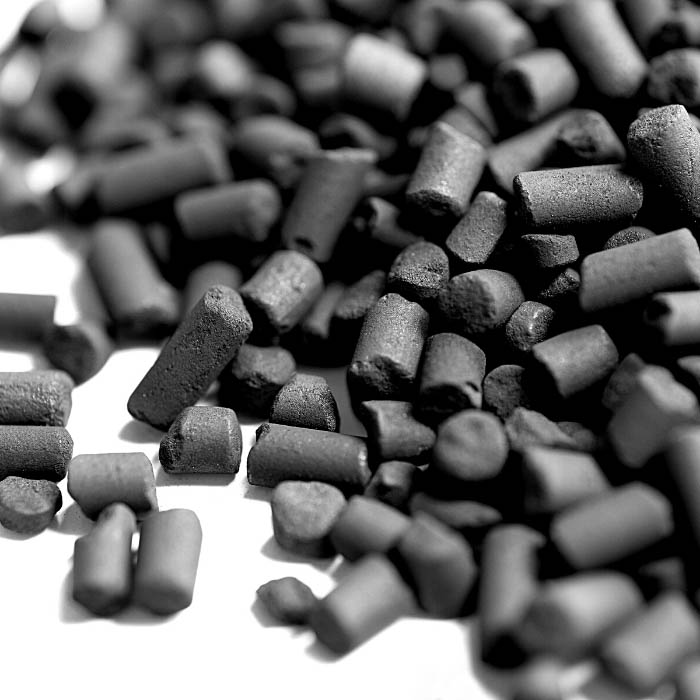
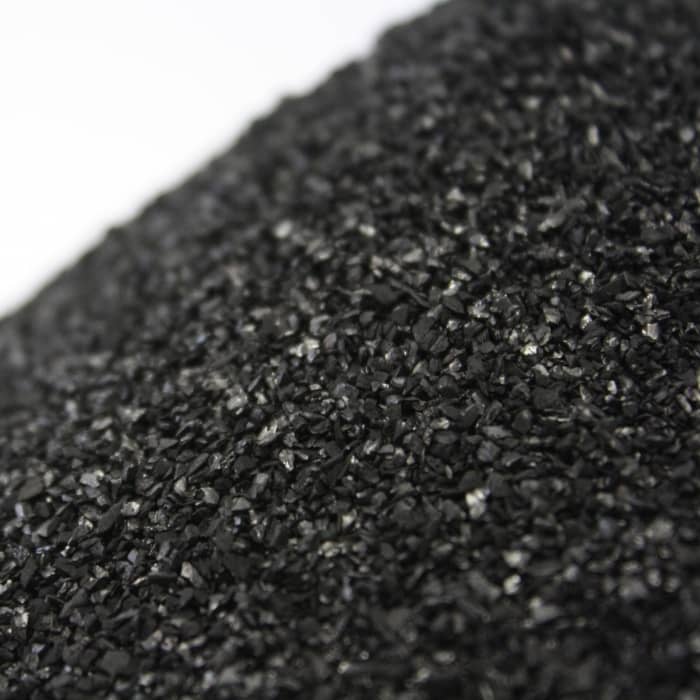
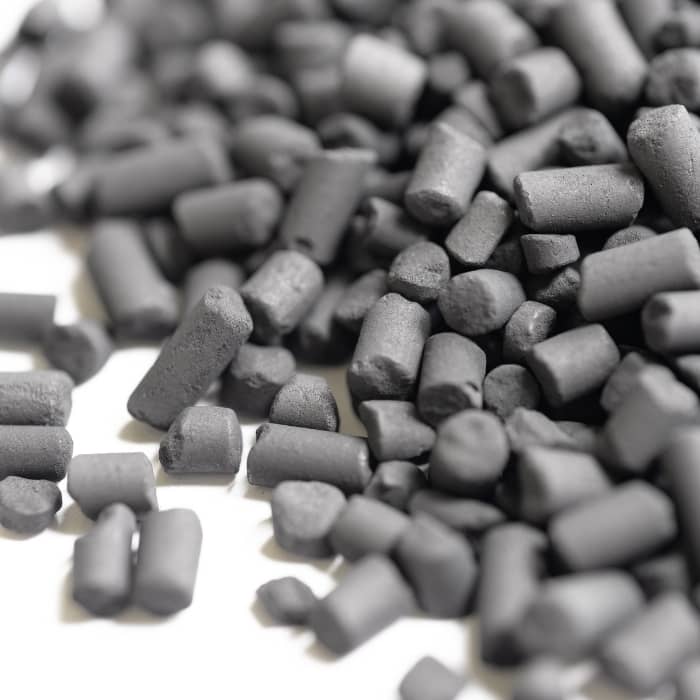
Amin-Carb is an activated carbon of bituminous mineral origin, specifically designed for the purification of liquid phase amine solutions (such as MEA and DEA) in natural gas sweetening processes. It has the ability to adsorb light hydrocarbons from natural gas and amine degradation products that increase the corrosivity of the solution if left untreated.
Amin-Carb can also be applied in processes to eliminate sulfur compounds in biogas and in the carbon dioxide gas produced in the carbonated beverage process.
Benefits of Amin-Carb
The effectiveness of this activated carbon lies in its thermal activation process and its acid washing post-treatment, which give it superior physicochemical properties:
- Macroporous selectivity: The diameter of its pores is 3 to 10 times larger than typical contaminant molecules. This allows unrestricted intraparticle diffusion, facilitating the capture of light hydrocarbons and degradation products.
- Accelerated adsorption kinetics: Its well-developed porosity ensures that the adsorption equilibrium is reached in shorter contact times, optimizing the process flow.
- Low ash content: Thanks to its acid washing, the presence of residual inorganic matter is reduced to a minimum, avoiding the leaching of impurities into the amine solution.
Amin-Carb applications
- Treatment of amines in aqueous solution in natural gas sweetening.
- Treatment of amines in aqueous solution used to remove sulfur compounds in biogas
- Treatment of amines in aqueous solution used in CO₂ recovery in industrial processes.
Amine treatment in natural gas production
Natural gas with significant amounts of hydrogen sulfide (H2S) is known as sour gas. Sour gas also often contains compounds such as carbon dioxide (CO2), carbonyl sulfide (COS) and carbon disulfide (CS2), which together create corrosion problems that affect the handling, storage and application of natural gas.
To remove these compounds and change from sour gas to sweet gas, amine absorption towers in aqueous solution are applied. After the amine has absorbed the acid gases, it is regenerated in desorption columns where it is heated to between 110 and 130°C.
Once regenerated, the amine in aqueous solution can be sent back to the absorption tower, however, the amine accumulates suspended solids, light hydrocarbons from natural gas and amine degradation products.
To avoid system collapse, it is recommended to treat approximately 10% of the lean amine flow (already regenerated and cooled). The ideal treatment process follows this order:
- Pre-filtration: Retention of solids greater than 5-10 microns.
- Adsorption with Amin-Carb: Removal of foaming agents and organic degradation products.
- Post-filtration: Retains activated carbon particles larger than 5-10 microns.