Description
Activated charcoal powder for bleaching Megapol M
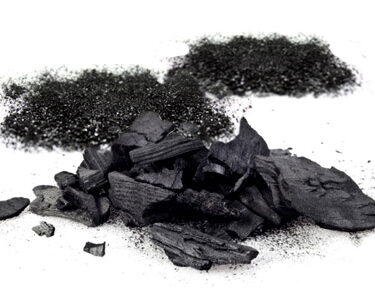
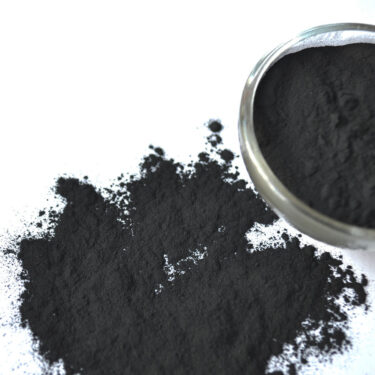
Pulverized activated carbon generated from wood is an effective material for the adsorption of organic impurities such as proteins or other molecules that are the precursors of color in the liquid to be treated.
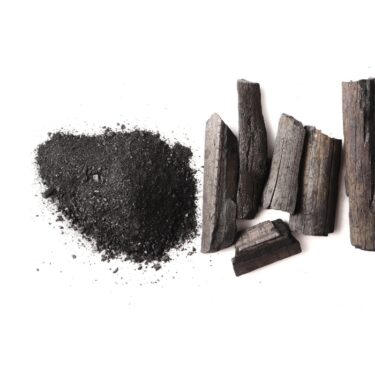
Activated charcoal powder is generated from carbonized wood that is subsequently activated under controlled conditions. Through activation, the material increases its surface area and the number of pores that allow the adsorption of contaminants.
- Raw material: Pine wood
- Molasses discoloration: 195 minimum
- Iodine number: 950 minimum
- Particle size: 75% pass 325 mesh
- Presentation: 15 kg bags
Powdered activated carbon applications
The decolorization of food and beverages with wood activated carbon is a technique widely used in the food industry to improve the appearance, taste and quality of various products.
-
- Sugar refining: Micropol M activated carbon is used in the decolorization of syrups and sugars, such as high fructose corn syrup and cane sugar, to remove impurities and undesirable colors, resulting in a clearer and purer final product.
- Clarification of wines, distillates and spirits: In the production of wines and spirits, activated wood charcoal helps to remove phenolic compounds and other contaminants that can affect color and flavor. This is particularly useful in the production of white wines and some distillates.
- Edible oil production: Activated carbon is used in the purification and decolorization of vegetable oils, such as olive and palm oil, to remove natural pigments and other compounds that can affect the color and quality of the oil.
- Dairy manufacturing: In the dairy industry, activated carbon is used to decolorize whey and other dairy products, removing unwanted colorants that can affect the appearance of the final product.
- Clarification of juices and soft drinks: Activated carbon is effective in removing colorants and flavor-altering compounds from juices, soft drinks and other non-alcoholic beverages, ensuring a clearer appearance and cleaner taste.
- Removal of contaminants in supplements and processed foods: In the production of certain supplements and processed foods, activated carbon helps to remove contaminants that can cause discoloration or affect the taste of the product.
High proportion of macropores
Unlike other types of charcoal, wood charcoal has a structure made up of macropores.
Highly efficient in discoloration of liquids
The macropores of its structure are efficient for the adsorption of large molecules that generate color.
Applicable to multiple products
It can be applied in the production of beverages such as wines, tequila and other distillates, as well as sugar, edible oils or vinegars for color removal.
Why use wood activated carbon?
It should be noted that pulverized activated carbon is the most efficient for decolorization processes due to its macroporous surface.
Unlike other types of activated carbons such as coconut shell or bituminous carbon extracted from mineral sources, wood activated carbon has pores large enough to adsorb molecules of larger sizes that would not be adequately adsorbed by other types of carbons.
This is due to the fact that these carbons have micro and mesoporous properties ideal for other applications, however, proteins and color precursor molecules are not easily absorbed into the carbon.
In contrast, the macroporous structure of wood activated carbon provides the necessary space for large organic molecules to enter and be retained, making it a preferred choice when it comes to adsorbing high molecular weight organic impurities.
More information about charcoal: