WATER TREATMENT FOR INDUSTRIAL PARKS
Treated and purified water plays an essential role in the operation and efficiency of industrial parks. These industrial complexes, which house a variety of businesses and manufacturing activities, rely heavily on water sources to operate their processes, maintain facilities, provide water for personnel, among other applications.
Water treatment has become an essential resource for industrial parks, as it contributes to guarantee the optimal functioning of operations, as well as to mitigate negative environmental impacts in cases where previously used water is treated to give it a second use within the facilities, such as irrigation of green areas or its reuse in industrial applications that do not require potable water.
Well water treatment for general use
The potabilization of well water is a concern to companies that rely on groundwater sources to supply their facilities, whether for use in toilets, sinks, kitchens or other general purposes. The main reason behind the need to make well water potable is that groundwater extracted from wells, although it may be naturally filtered by the subsoil, may not actually be suitable for direct use due to various factors.
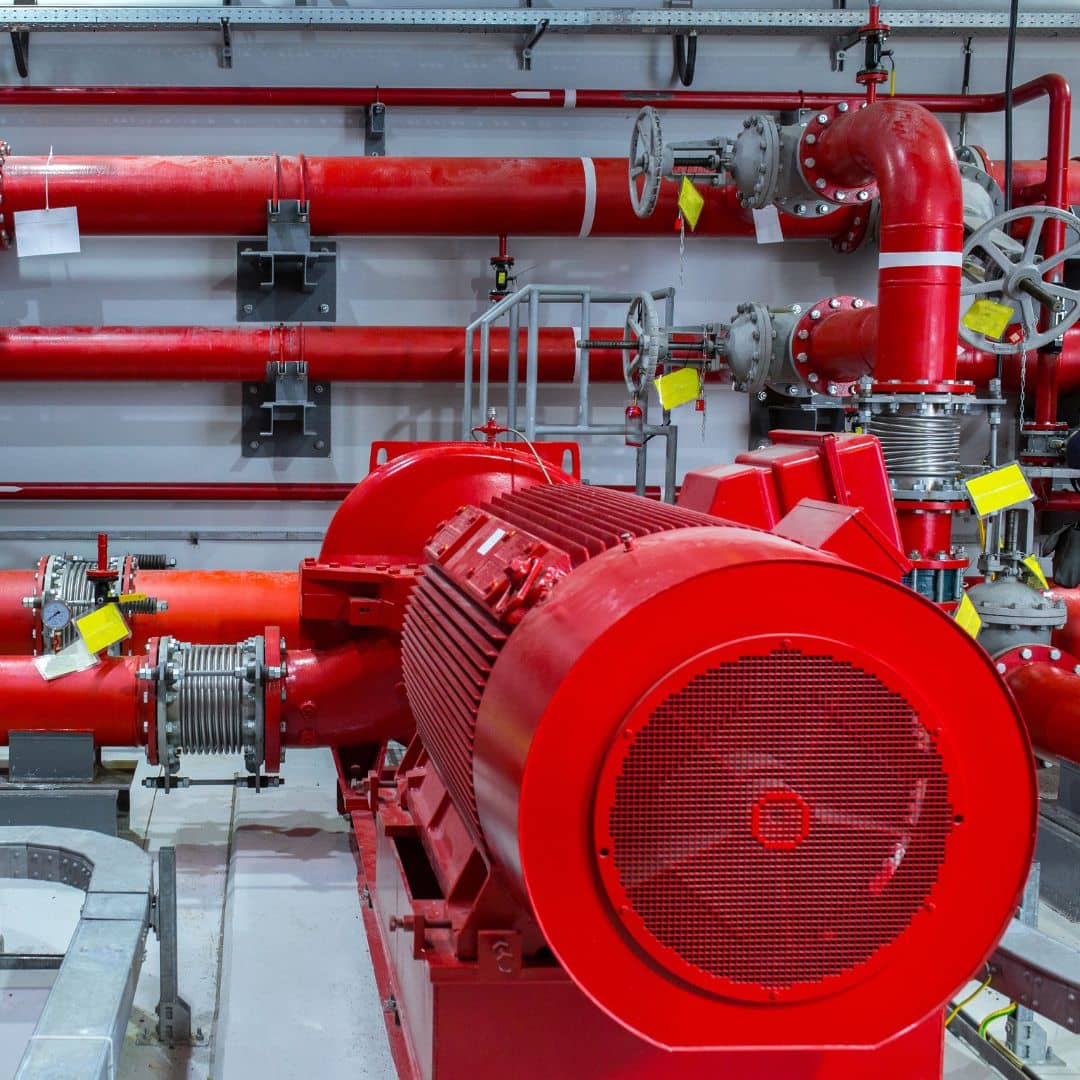
<strong>Why treat well water in industrial parks?</strong>
Well water may be in contact with naturally occurring contaminants such as minerals and heavy metals that end up dissolved in the water. There may also be chemicals from human activities such as agriculture, industry, or waste and garbage management that reach the groundwater.
Another important point to consider with well water is that it could contain pathogenic microorganisms such as bacteria, viruses and parasites with the capacity to cause disease if used in the industrial park facilities.
These factors can cause water to have properties that make it unsuitable and unsafe, such as hardness, turbidity and pH level, which directly affect its quality for general use or human consumption.
Depending on the quality of the well water, the use of disinfection methods such as chlorination, application of chlorine dioxide or ozone can be considered for the management of microorganisms, or the use of filtering and purifying media in case there is organic matter and solids that affect the properties of the water.
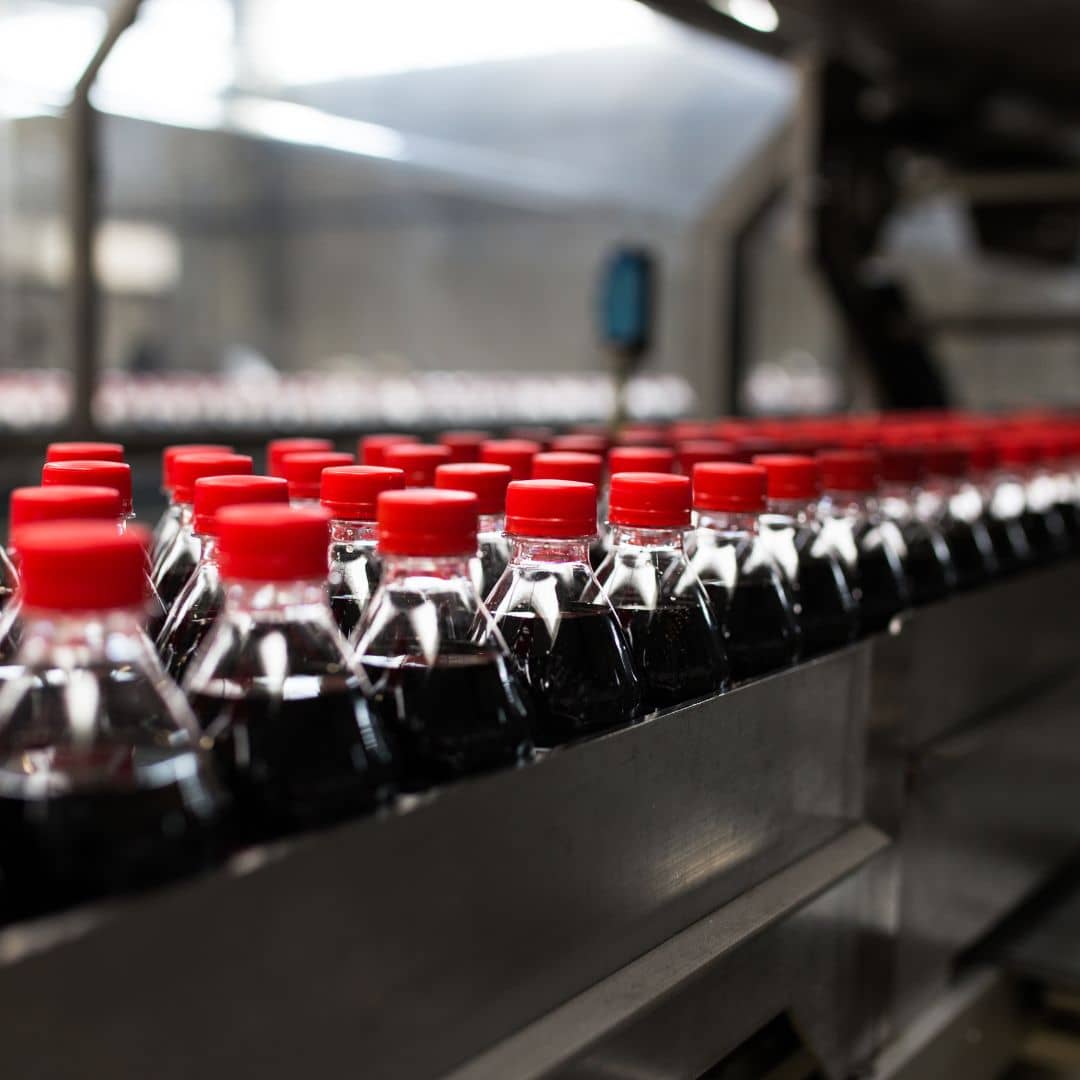
Treated water for industrial processes
Water treatment in industrial parks plays a key role in ensuring the quality and efficiency of industrial processes. This applies in various contexts, including:
- Water as a product raw material
- Washing of machinery
- Product washing
In several industries, water is one of the main ingredients of a large number of products. It is present in the pharmaceutical industry, cosmetics industry, paint and ink production, among others. Their production processes require water that is free of impurities, minerals and microorganisms, ensuring that the water meets the necessary quality standards so as not to compromise the integrity of the products.
Washing of machinery
The use of water that has undergone a treatment process is a prerequisite to prevent the accumulation of solid particles, avoid corrosion and mitigate the risk of damage to industrial machinery. In the context of industrial parks, water treatment plays a critical role in ensuring that unwanted deposits do not occur on equipment, which, in turn, contributes significantly to extending the service life of these devices and maintaining efficiency in production processes.
Product washing
In industrial parks, it is common to carry out washing processes prior to packaging and distribution of products. The use of treated water is crucial to remove any residues or contaminants present in the products, ensuring that they meet quality and safety standards before reaching the market. This is particularly relevant in industries such as food and manufacturing.
Machinery feed water treatment
Ensuring the supply of filtered water or water with low levels of encrusting salts for the operation of machinery in industrial environments is of great importance, given that its quality is a determining factor in preserving the efficiency and effectiveness of the industrial processes in which it is used.
Feed water for machinery can be used, for example, in boilers and power generation systems where steam or thermal energy needs to be produced. It is also used in cooling systems or cooling towers that help control the temperature of industrial machinery and equipment that generate large amounts of heat during operation and functioning.
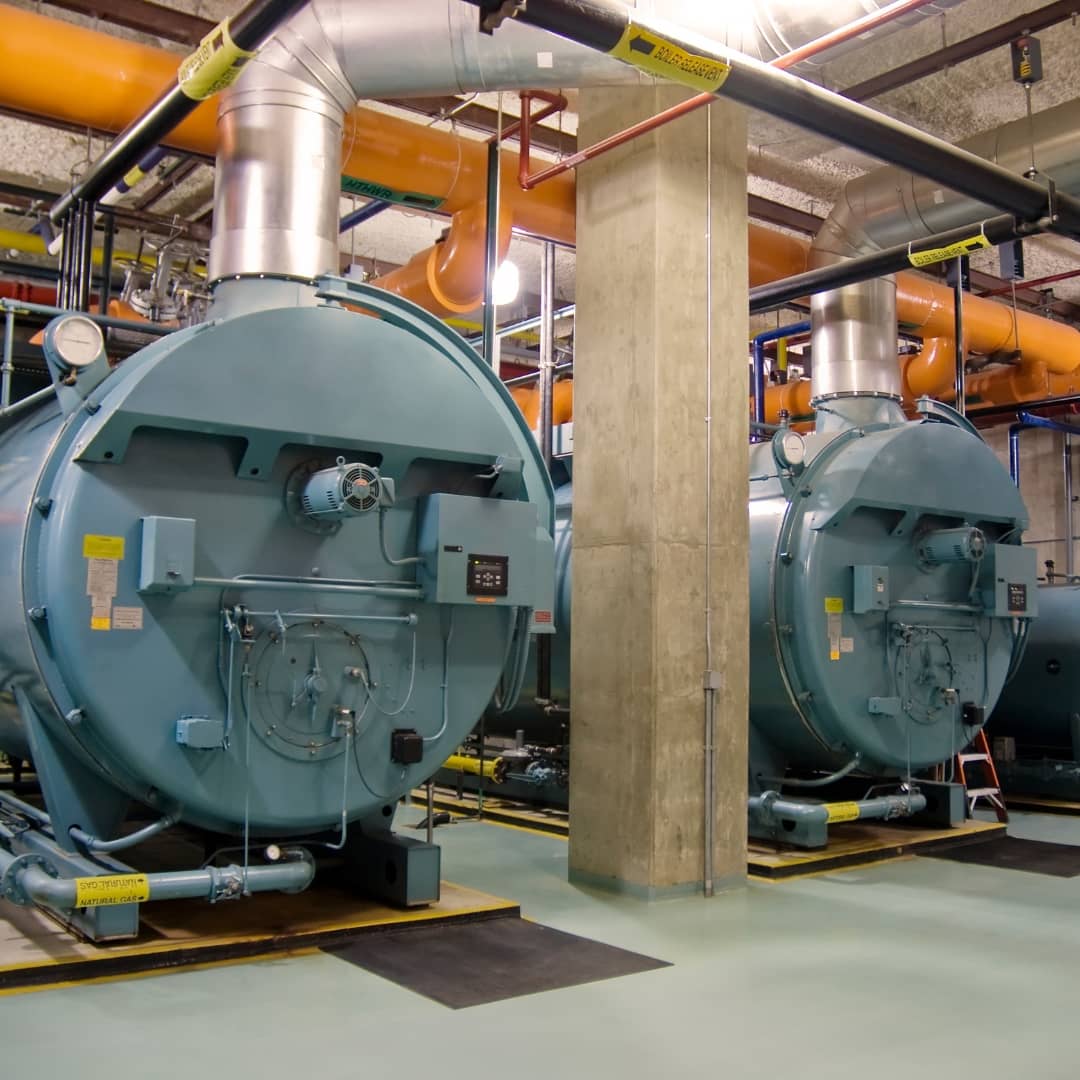
Why treat water supplied to industrial parks?
Because feed water can contain a variety of minerals and contaminants that can be detrimental to industrial processes, water treatment for industrial parks is required since these minerals generate incrustations and corrosion inside the machinery and its piping, which will later generate obstructions that cause problems in the flows and in the performance of the process in general. Therefore, it is necessary to subject this resource to treatment processes that manage to demineralize the water.
The process of water demineralization involves the removal or significant reduction of dissolved minerals and contaminants from water using ion exchange resins that remove cations and anions from the water through chemical processes. In addition, reverse osmosis can be used which allows only water molecules to pass through a permeable membrane that retains minerals, dissolved solids and contamination.